The Top 3 Mistakes Consultants Make on Feasibility Reports (and How to Avoid Them)
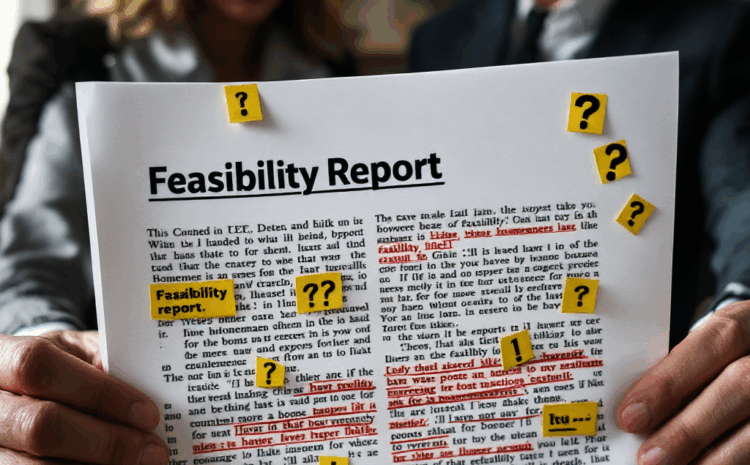
As a rehab or neighborhood revitalization consultant, your feasibility report can make or break a project. A single oversight can trigger cost overruns, delay funding approvals, frustrate stakeholders, and put the entire deal at risk. The good news? Most feasibility issues we see are completely avoidable with the right approach and systems in place.
At NAFHAC, we’ve reviewed countless feasibility reports tied to housing rehab and revitalization projects, and the same three mistakes appear again and again. By understanding these common pitfalls — and knowing how to prevent them — you’ll produce feasibility reports that lead to confident decisions, smoother funding approvals, and stronger client trust.
Let’s break down the top three mistakes consultants make on feasibility reports — and the practical fixes that keep projects on track.
1. Underestimating Rehab Costs
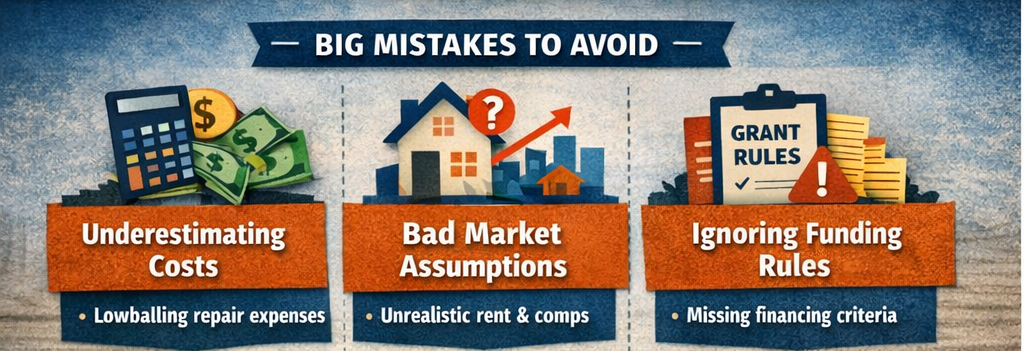
One of the fastest ways to undermine a feasibility report is by underestimating rehab costs. This often happens when consultants rely on outdated cost assumptions, overlook soft costs, or fail to plan for issues uncovered after demolition.
When costs come in higher than projected, lenders lose confidence, contractors push back, and owners are forced to scramble for additional funding.
Fix: Build conservative, realistic cost estimates. Separate hard and soft costs clearly, include escalation, and apply appropriate contingencies based on project complexity. A strong feasibility report prepares everyone for real-world conditions — not best-case scenarios.
2. Ignoring Local Market Reality
Feasibility isn’t just about construction — it’s about whether the finished project will actually perform. Too often, consultants rely on generic market data, overestimate rents, or ignore household income realities in the neighborhood.
This leads to feasibility reports that look solid on paper but fall apart during leasing or resale.
Fix: Ground your market analysis in local reality. Evaluate rent-to-income ratios, vacancy rates, employment trends, and buyer or renter demand. When possible, validate assumptions with local stakeholders who understand the neighborhood dynamics.
3. Not Aligning Feasibility with Funding Rules
Even a technically sound feasibility report can fail if it doesn’t align with funding requirements. Grant limits, subsidy caps, procurement rules, and disbursement timelines all influence what’s actually feasible.
When feasibility ignores these constraints, projects stall — or require costly revisions midstream.
Fix: Align feasibility analysis with funding rules from the start. Map out which funds apply, eligibility requirements, match needs, reporting obligations, and disbursement timing. A feasibility report should work within the funding structure, not against it.
Feasibility reports don’t have to create uncertainty or stress. By avoiding these three common mistakes — underestimated rehab costs, unrealistic market assumptions, and misaligned funding requirements — you’ll deliver feasibility reports that funders trust and clients rely on.
If your feasibility reports aren’t leading to confident decisions, they aren’t doing their job. At NAFHAC, we help consultants strengthen their feasibility analysis so projects move forward with clarity, accuracy, and confidence.