The Consultant’s Role in Preventing Change Orders and Cost Overruns
Change orders and cost overruns are two of the fastest ways renovation projects lose momentum. They frustrate borrowers, strain lender relationships, and can delay or even jeopardize funding.
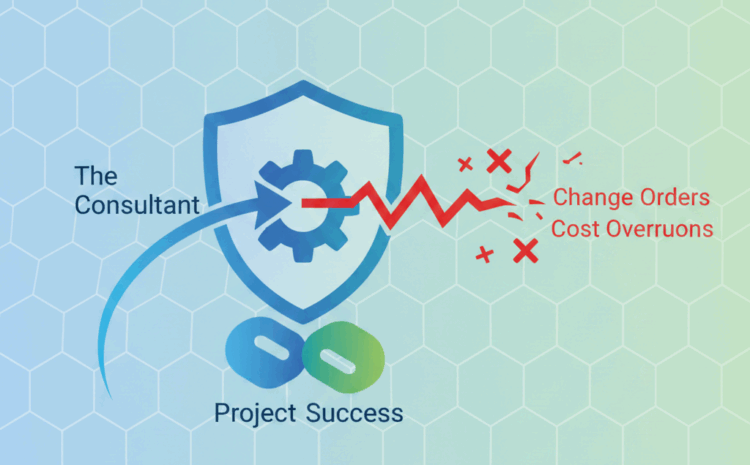
While some adjustments are unavoidable, most costly changes stem from issues that could have been identified earlier. This is where the consultant plays a critical role — not as a problem fixer, but as a problem preventer.
At NAFHAC, we view consultants as the front line of renovation risk management. Here’s how effective consulting helps keep projects on track and budgets under control.
1. Accurate Scopes Set the Financial Foundation
Many cost overruns begin with incomplete or overly vague scopes of work. When critical repairs are missing or poorly defined, contractors are forced to revisit pricing mid-project.
Strong consultants prevent this by:
- identifying required repairs comprehensively,
- detailing scope items clearly,
- and aligning repairs with lender guidelines from the start.
A well-written scope minimizes surprises — for everyone involved.
2. Early Feasibility Analysis Reduces Mid-Project Changes
Change orders often surface when a project was never fully feasible under loan parameters to begin with.
Consultants who evaluate feasibility early help determine:
- whether repairs fit within loan limits,
- if timelines are realistic,
- and whether property value supports the proposed work.
By addressing feasibility upfront, consultants reduce the likelihood of mid-stream adjustments that inflate costs and delay completion.
3. Clear Communication Keeps Stakeholders Aligned
Miscommunication is a major driver of cost overruns. When borrowers, contractors, and lenders aren’t aligned on expectations, revisions become inevitable.
Consultants help prevent this by:
- clarifying scope expectations with contractors,
- documenting required repairs clearly,
- and communicating findings in lender-friendly language.
This alignment keeps projects moving forward with fewer interruptions.
What Consultants Should Focus on Now
Preventing change orders isn’t about controlling contractors — it’s about setting projects up correctly from the start.
Consultants who want to minimize overruns should:
- strengthen scope development skills,
- prioritize feasibility over speed,
- standardize documentation,
- and adopt systems that support accuracy and consistency.
These habits don’t just protect projects — they protect your professional reputation.
Change orders aren’t just budget issues — they’re trust issues. When projects stay on track, confidence grows among lenders, borrowers, and agents.
Consultants who consistently prevent overruns become the professionals stakeholders rely on most — not because they react quickly, but because they plan effectively.
👉 Want to strengthen your role as a risk-reducing consultant?
Explore advanced training, tools, and professional support inside NAFHAC Premium Elite Membership and elevate how you manage renovation projects from day one.